ServicesRoof Inspections
Roof Inspections in Delaware
We look over every slope of your roof, check the attic when it is safe to reach, and take photos of anything worth your attention. You come away knowing what needs work soon, what can wait a season or two, and what is in good order.
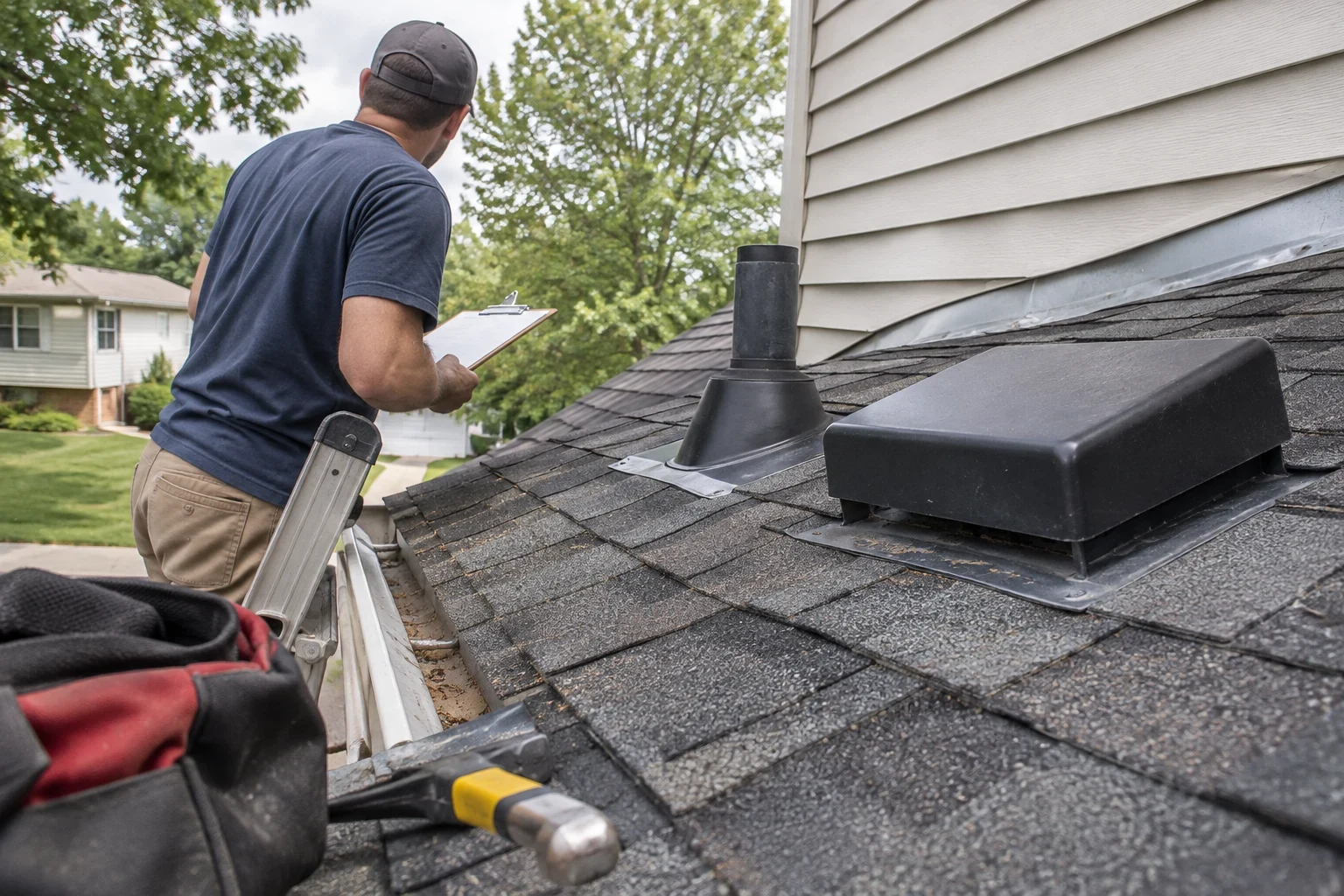
Know the Condition Before You Decide
Leaks rarely announce themselves early. A shingle tab that has lost its seal, a rubber vent boot split by years of sun, a seam in the step flashing beside a dormer wall: each lets in a little water long before a ceiling stain appears. An inspection finds them while the fix is still small.
Every finding is documented as we go. You see the worn granules, the soft decking or the rusted nail heads exactly as we saw them, so your decision rests on evidence rather than on our say-so.
It makes sense before you buy or sell a house, in spring after a long winter, once a roof passes fifteen years, or whenever something looks wrong from the driveway.
What We Check on Your Roof
Shingle condition
We look for curling edges, cracks, missing tabs and bare spots where granules have washed away, and compare wear slope by slope. When one side has aged much faster than the rest, the cause is often heat or ventilation, not the shingles themselves.
Flashing, boots and seals
The metal around chimneys and skylights, the step flashing along sidewalls and the boots on plumbing vents take the most movement and weather. We check each joint, each bead of sealant and each boot for splits or gaps.
Decking underfoot
Walking the roof reveals things a ladder cannot. A spongy or dipping area usually means moisture has reached the plywood, and we mark exactly where it is.
Attic and airflow
With safe access, we look at the underside of the decking for water marks, mold or pinpoints of daylight. We also confirm that soffit intakes and roof exhausts are moving air, since a stuffy attic ages shingles early and feeds ice at the eaves.
Roof edges and gutters
Overflowing or sagging gutters, soft fascia and damaged soffit all get noted, because water held at the eave can creep back under the starter course.
Your written summary
You receive the photos with a short summary in plain language, grouped into items to address soon, items to keep an eye on and areas in good shape.
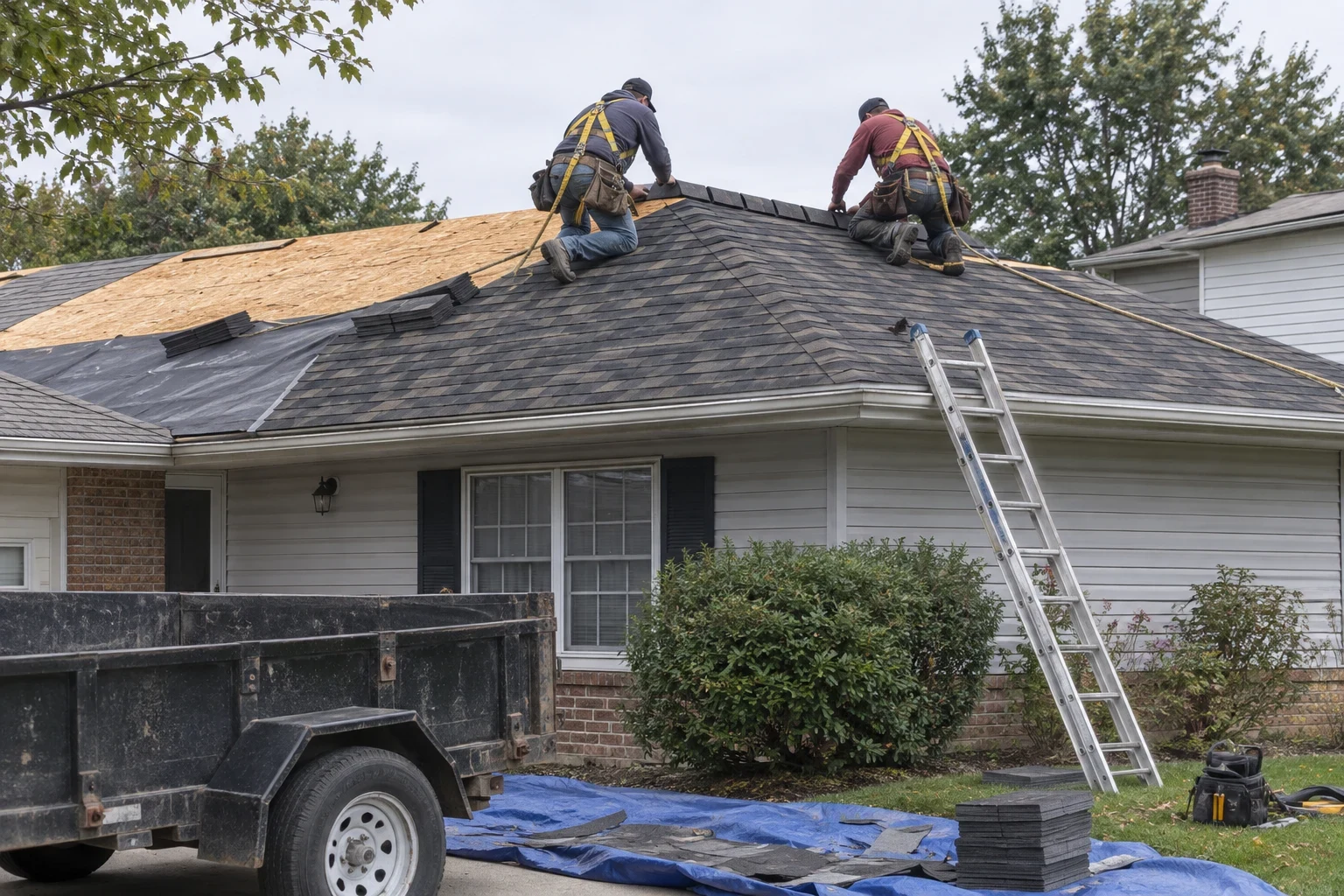
When an Inspection Is Worth Scheduling
- Granules collecting in gutters
- Newer shingles shed a bit of loose grit for a while, and that is expected. When sandy buildup keeps appearing along the gutter floor or in a pile where a downspout empties, the protective coating on your shingles is wearing away.
- Water marks indoors or in the attic
- Brown rings on a ceiling or dark streaks on rafters show water is getting through. Water runs along the decking before it drips, so the real entry point usually sits higher up the slope than the mark.
- Ice ridges at the eaves
- Heavy ice along the roof edge means attic heat is melting snow higher up. Central Ohio winters freeze and thaw often enough to make this common, and the trapped meltwater can back up under shingles.
- Shingles lifted or in the yard
- After a gusty night, a few shingles on the lawn are easy to shrug off. We check whether the neighboring shingles have come unsealed too, since those tend to go next.
- A house changing hands
- A roof-only inspection goes further than the roof section of a general home inspection, and it gives buyer and seller the same documented findings to work from.
From Your Call to the Walkthrough
- 1
A short conversation first
On the phone we ask about the roof's age, any drips or stains you have noticed and where the attic hatch is. What you tell us shapes where we look hardest on the day.
- 2
From the ground up
The first look happens from the yard: rooflines, gutters, soffit and fascia. Ladders go up with care around landscaping, decks and anything else below.
- 3
Slope by slope
Where footing is safe, we walk each slope and take photos of shingles, flashing and every penetration. With your permission, we then look at the underside from the attic.
- 4
Going over the findings
We review what we found with you before we leave or shortly after. When a repair will serve you better than replacement, you hear that from us directly.
What Affects the Price of an Inspection
An inspection is a small job, yet roofs differ in how long they take to read well. We go over the cost with you on the phone before we book a visit, so the day holds no surprises.
- Size and shape
- A plain two-slope roof is quick to cover. Valleys, dormers and sections that meet at angles add flashing to examine and findings to record.
- Steepness and reach
- A steep pitch can call for added safety gear, or for parts of the roof to be read from the ladder and edge instead of on foot.
- Getting into the attic
- An open hatch in a closet takes minutes. A cramped crawlspace, or no opening at all, changes how much of the decking we can see from below.
- Depth of the report
- A focused look at a single concern is simpler than a full documented summary prepared for a home sale.
Questions About Roof Inspections
- How long does a roof inspection take?
- A typical house takes us about an hour on the roof, and a large or complicated roofline takes longer. Checking the attic adds a little more. You never need to climb a ladder yourself, because we walk you through the photos once we are back on the ground.
- Does someone need to be at the house?
- Not for the outside portion. Someone does need to let us in if you want the attic checked. Plenty of homeowners choose to be around so we can walk through the findings together.
- Are you going to push a new roof on me?
- No. A lot of roofs need a handful of targeted fixes and still have years of life left. If replacement truly is the better value, the photos make the reasons plain, and the choice stays with you.
- Can you tell me how many years my roof has left?
- We can give you a reasoned estimate. We weigh the shingle type, how much granule cover remains, how well the seals are holding and how freely the attic breathes. That tells us whether a roof replacement is likely a few years away or much further out.
- How often should my roof be checked?
- For a roof in good condition, every two years or so is reasonable. Once it passes about fifteen years, a yearly look makes more sense. Spring works well, after ice and snow have had their turn.
- What if you find something wrong?
- We show you where it is, explain what it means and lay out your options. Smaller items usually fall under roof repair, while worn gutters or rotted fascia are short jobs of their own through our gutters or soffit and fascia work. Once you have decided, you can get your quote by phone.
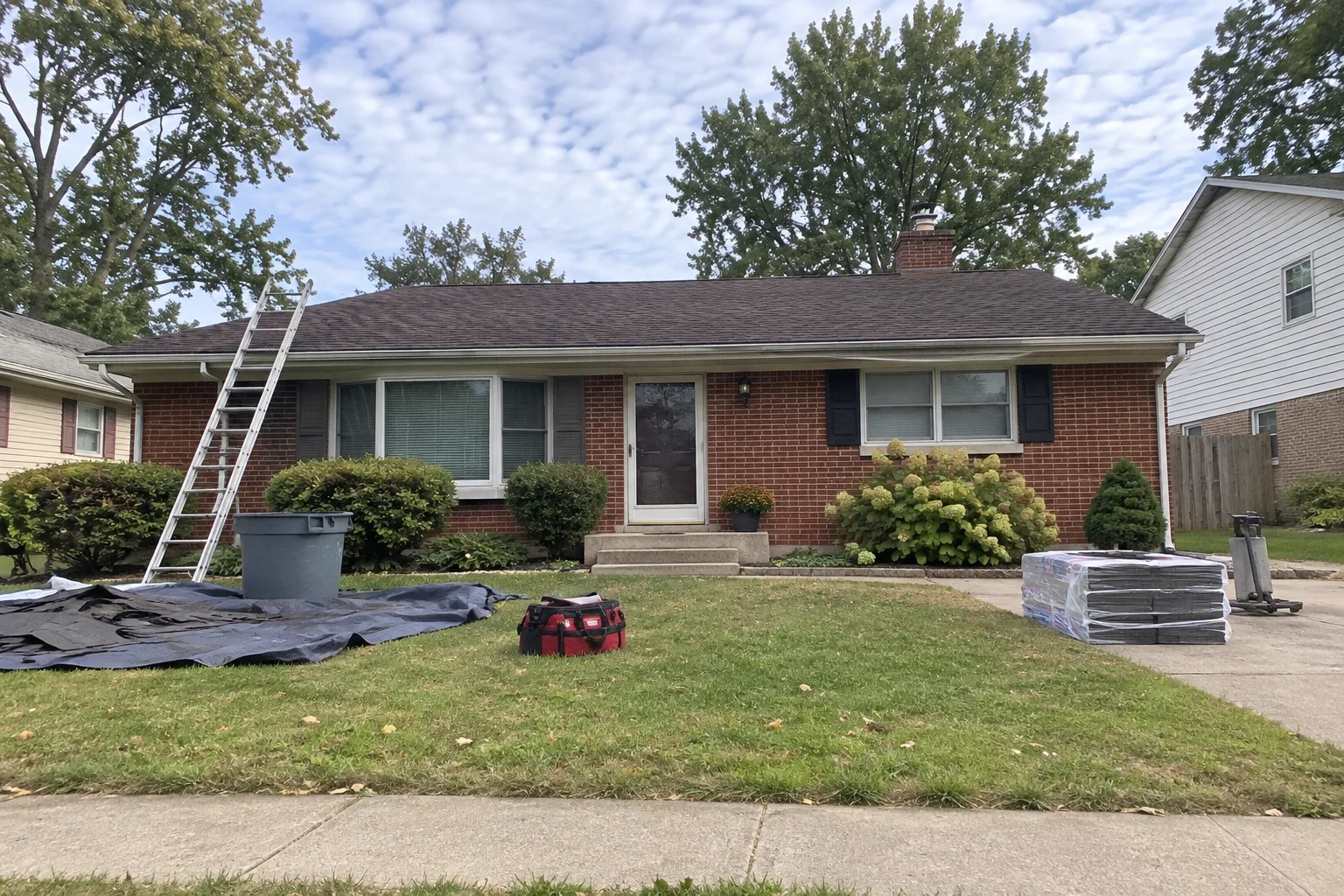
Know Where Your Roof Stands
One visit, an unhurried look at every slope and a record of the findings you can keep. We inspect roofs in Delaware and nearby towns such as Powell, Sunbury and Westerville.